
Rainwater ran down the streets and pooled around the gutter. Kaan watched the downpour from the window of the bar and restaurant. The glass case of an edifice hung in the air, suspended a stone’s throw from Grand Central. The cars moved through the clotted street, thronging Midtown.
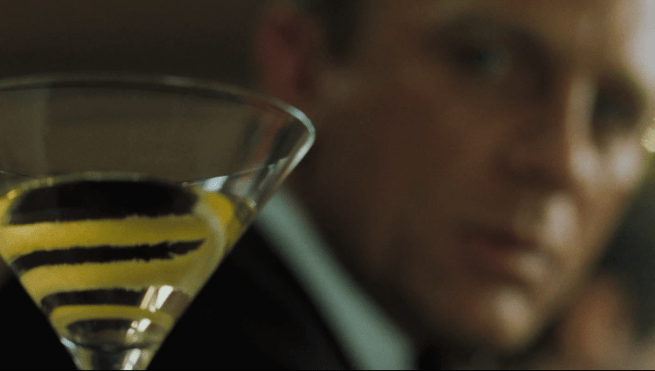
Kaan sipped her martini, stirred, not shaken. She sat in her usual black leather biker jacket, paired with ripped, distressed jeans. On her feet, she wore sandals.
Another woman, in a knee-length, pink chiffon dress, plopped down at the bar and ordered a vodka and cranberry juice. She swirled her drink with the cocktail straw. As she conversed with the bartender, her wavy chestnut-brown curls bounced with every exclamation of her bubbly personality.
The first drink was gone in no time, and the mystery woman ordered one more, again vodka, this time with lemonade. But instead of remaining on her stool, she now walked over to Kaan, drink in hand, heels echoing on the floor.
“Barefoot beatnik type?” she said, “Are you a punk rocker?”
Bleary-eyed, Kaan turned to her, “No. Who are you?”
The woman smiled, “I can see that you’re not on your first martini.”
Kaan’s eyes narrowed, “Did you escape from a debutante ball?”
“No,” she said, inclining her head, “What are you escaping from?”
Kaan turned away and looked back out the window.
Mystery woman let the stool spin until she was facing backward, elbows reclining on the glass table, “You don’t get out much, do you?”
Kaan glanced at her but said nothing.
“Where are you from?” the woman asked.
“Maine,” Kaan said, still looking out at the inclement weather.
“Originally?”
“No.”
The woman turned back around to face the same direction as Kaan, “You’re from here, aren’t you?”
Kaan nodded, taking a sip of her martini.
The woman in pink leaned over the table, to get a better look at Kaan’s face, “I live in Williamsburg, just a quick jaunt across the river.”
“Have a nice jaunt,” Kaan said, not moving.
“Be nice,” the woman cooed, “and I just might let you come along too.”
Kaan looked into her eyes, bright and sparkling, like a cat’s, “I just got done with a bad breakup.”
“How soon is ‘just got done,’?”
Kaan looked around for the waiter, “You know, maybe I should go.”
This new person cocked her head to the side, “Don’t be like that. C’mon, let me buy you a drink.”
“I think I’m far enough along already,” Kaan grumbled.
“Alright, well at least a club soda. My name is Beth, by the way,” she proffered her manicured hand to shake, a female handshake, with the hand descending from above, not extended from the side.
Kaan shook her hand, “My name is Kaan.”
“What a strange name,” Beth said, “Did you land here from Krypton?”
“Might as well have,” Kaan said, finishing her martini. She caught the olive with her teeth.
Outside, commuters whisked by silently. Somewhere, out there, Kaan thought, was Aspen, black heels clicking against the wet pavement.
“I want to say you’re one of the most interesting people I have ever met,” Beth said, as the club soda arrived.
“I wish I could say I believed you,” Kaan said, angling her stool to face her.
“I wish I could say I loved you, too,” Beth smiled, sipping her new drink.
Kaan raised her eyebrows, “You’re being awfully nice to me.”
“I’m a college friend of Ran’s,” Beth said. She ate the cherry in the cocktail.
“Oh, I see,” Kaan rubbed the back of her neck.
“‘Oh, I see’ indeed,” Beth grinned, leaning backward on the stool, re-crossing her legs.
“Well, I think you’re very nice,” Kaan said, putting the drink down, “but I don’t think I can be that person for you.”
Beth leaned back forward, soft dress crinkling, “You’re still beating yourself up, aren’t you?”
“How could I not?” Kaan shrugged.
Beth asked for a pen from a nearby waiter, and wrote her number on a cocktail napkin, “I’ll take a rain check Kaan. The night is still young after all.”
“Is it now?” Kaan smirked, taking the napkin.
“Don’t brood too hard,” Beth said, brushing Kaan’s hand with her own. She slinked off amid the bar, toward the hotel elevators.
Kaan considered the cell phone number, before looking back out at the congested street.

Music
Ravel – Pavane pour une infante défunte, for piano (or orchestra)
Chopin – Prelude for piano No. 15 in D flat major (‘Raindrop’) Op. 28/15, B. 107/10
Saint-Saens – Samson et Dalila, “Mon cœur s’ouvre à ta voix”


 A Piece, of the Sky
You must be logged in to post a comment.