

It all comes down to genetics – which determine blood proteins, aging and antibodies. It all comes down to the blood. The ongoing mutations of an already virulent virus – those are the real metaphorical 12 Monkeys, of the movie title.
Ebola was originally spread by bat guano, in a cave and monkeys – different environments brought together, different organisms, species and pathogens brought together. Reverse bottleneck effect. Immunology.
There are various immunities, resistances and antibodies, that can create a vaccine or treatment. One strain, two strains. Resistant strain A and resistant strain B. It’s incurable zombies vs. vampires in treatment: infected vampires that haven’t yet “turned” into zombies, vampires or zombies that sleep during the day.
From those that recover, their antibodies can be used to be made to make a vaccine. Virologists can examine the case study and prevent future outbreaks, of this kind.
The main dangers are the virus’s apparent virulence, the virus mutating in new environments and asymptomatic carriers that are infected but aren’t sick. Many people in the hot zone-adjacent areas may have some kind of weak immunity, after living there for years. The virus remains virulent, even far away from its origin and amplification areas.
One reason why a virus could be so bad is that it may stay on counter-tops and surfaces (fomites) for double the amount of time, of other viruses. The virus’s DNA could be encased in a strong protein shell. Such a virus would be very hardy and might mutate.
The vast majority become zombies. A minority become vampire symbiotes. A minuscule minority remain human because they are immune. Who is more human? One who changes or one who stays the same?
The half-zombies or vampires take vaccines to hold their disease at bay. The new immunity is the pathway by which a new species develops, in response to pathogens. What does it mean to be human?
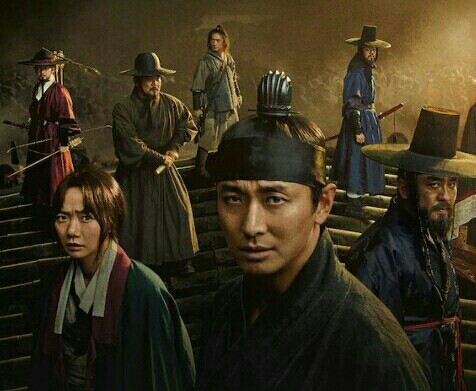
The proteins, in the blood, go through three major changes – when you’re thirty, when you’re sixty and then when you’re eighty. The secret is in the blood, like in Mad Max: Fury Road. Vampires had one thing right.
However, you wouldn’t be able to absorb the properties of young blood, by drinking it and digesting it, in the stomach (HCl, hydrochloric acid). Real life, modern day vampirism, of blood plasma, needs two clean people, blood disease-wise. They would go to a legitimate clinic, where they would do an IV blood bag transfusion. Medical personnel would have centrifuges to separate the blood components out. The doctors would observe the recipient and make sure his or her immune system didn’t reject the donated blood.
Real doctors would be needed for this procedure. The downsides and risks of plasma transfusion are very large, in line with their benefits. Blood proteins are linked to aging. Plasma includes many helpful clotting factors.
But the right plasma and the right amount of plasma must be administered – or lung problems, immune problems, allergy, and cardiovascular problems can ensue – in addition to immune system rejections and infections.
In fiction, vampirism means symbiosis: immune system compatibility or rejection, immune system response to an infection. White blood cell count. That is what it means to be a vampire – a vampire symbiote, with the vampire disease – a vampire human.
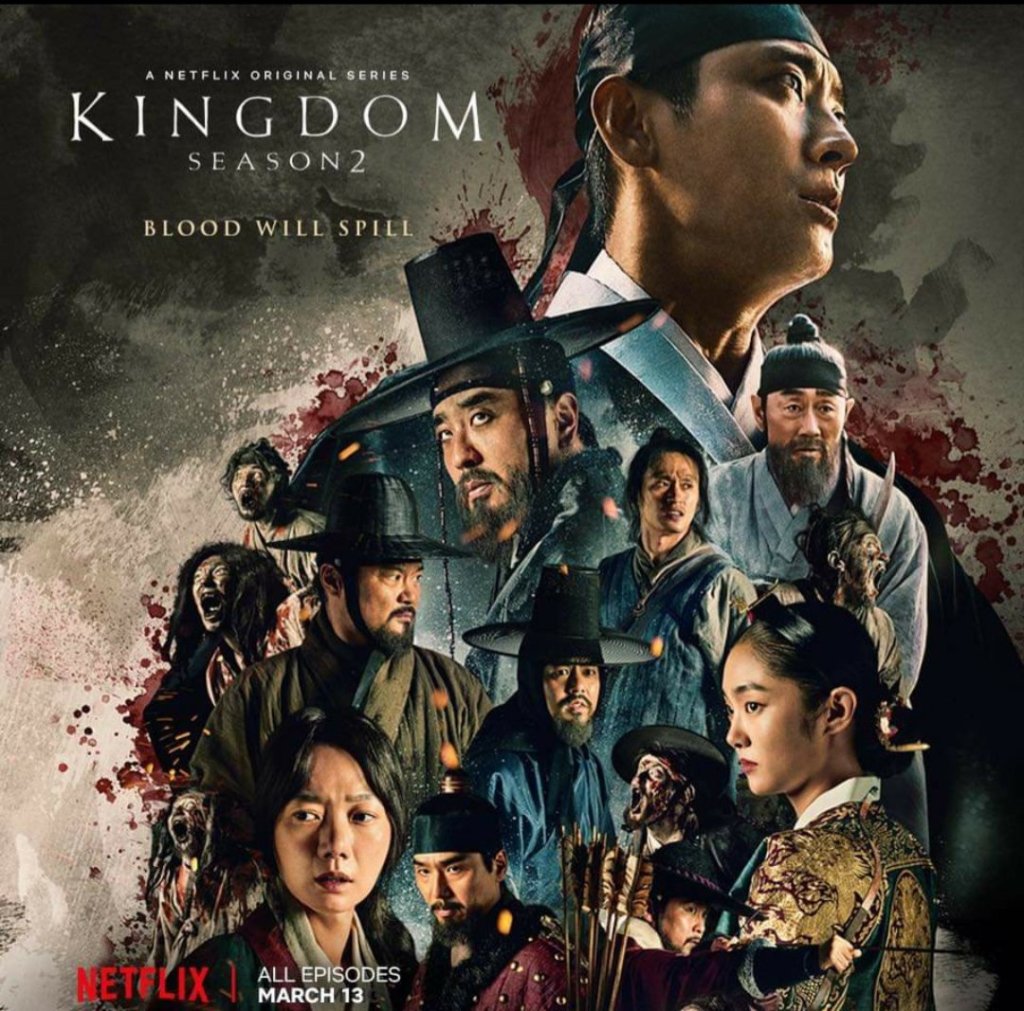
When life (on this planet) first developed, it was asexual, and reproduced by cloning. This is the Kingdom of Bacteria. However, by the time the Kingdoms of Fungi and Plants came along, multi-cellular organisms had developed.
Producing clones of one’s self didn’t lead to a very strong or diverse gene pool, able to withstand many different stressors. A modern example was Dolly the Sheep, an actual multi-cellular clone. It succumbed to disease though; its immune system wasn’t very strong.
An isolated species of organism, stranded by a genetic bottleneck, develops resistance to exotic virulent diseases, that become exposed to other populations, that don’t have that immunity – when a community and it’s super bugs are suddenly reconnected with the rest of the world.
Are the symbiotes “freaks” or survivors? Who gets to decide? Who gets to judge? It’s the immune survivors vs. symbiotic or infected survivors. That’s what is at stake in the definition of what it means to (still) be human – or another leap of evolution. Are symbiotes the future of humanity?
For every new immunity, there is a new mutation. I am reminded of the esper Tetsuo’s rapid and uncontrollable mutations, near the end of Akira – or the giant Eldritch psychic monster, in Watchmen, the graphic novel, or the chaotic, old gods of the ancient world, in Hellboy.
The future of humanity is symbiosis and new resistance to strange, new, exotic microorganisms. This is evolution. This is the creation of a new species – through the immune and infected, but otherwise healthy, symbiotic people and asymptomatic carriers. This immunity is passed down through the generations, as the resistant strain – the symbiotic strain that created a new people.
Basic virology is virulent diseases, that mutate easily, developing on the backs of useful vectors. The new pathogens are evolving at the speed of life. This state of affairs creates a ranking system of useful and useless vectors, for the development of a vaccine.
—
Disclaimer – I am interested in this topic from a scientific, medical, foreign policy and fictional point of view. Alarmism and fatalism solve nothing.


 A Piece, of the Sky
You must be logged in to post a comment.